Column · @kylerpzax897
How Custom Mouthguards Can Prevent Dental Injuries During Sports
A sports injury can change the course of a season in a second, but dental injuries have a way of lingering long after the game ends. A split lip heals. A bruised cheek fades. A chipped front tooth, a broken crown, or a tooth knocked out at the wrong angle can lead to years of treatment, expense, and frustration. That is why mouthguards deserve far more attention than they usually get.
People tend to think of mouthguards as simple pieces of plastic, something you toss into a sports bag and forget about until kickoff. In practice, the difference between a poor fit and a custom fit can be the difference between minor protection and meaningful injury prevention. I have seen athletes who wore a generic guard and still ended up with fractured teeth because the appliance shifted on impact. I have also seen custom mouthguards absorb the force of a hard collision well enough to spare a player from far more serious damage.
The appeal of a custom mouthguard is not just comfort. It is precision. It is retention. It is protection that stays where it should when the body is moving at speed, breathing hard, and absorbing contact from elbows, balls, sticks, boards, or the ground.
Why sports injuries so often involve the teeth
The mouth sits in a vulnerable place. In many sports, the jaw is exposed, and the upper front teeth often take the first hit. Even in non-contact sports, falls happen. A skateboard slips out. A basketball player crashes under the net. A baseball takes a bad hop. A cyclist loses control on wet pavement. Dental injuries are not limited to boxing or hockey.
The most common sports-related dental injuries usually include chipped enamel, fractured teeth, displaced teeth, avulsed teeth, cuts to the lips and cheeks, and trauma to dental work such as fillings, veneers, bridges, or implants. The front teeth are especially at risk because they protrude and meet the force first.
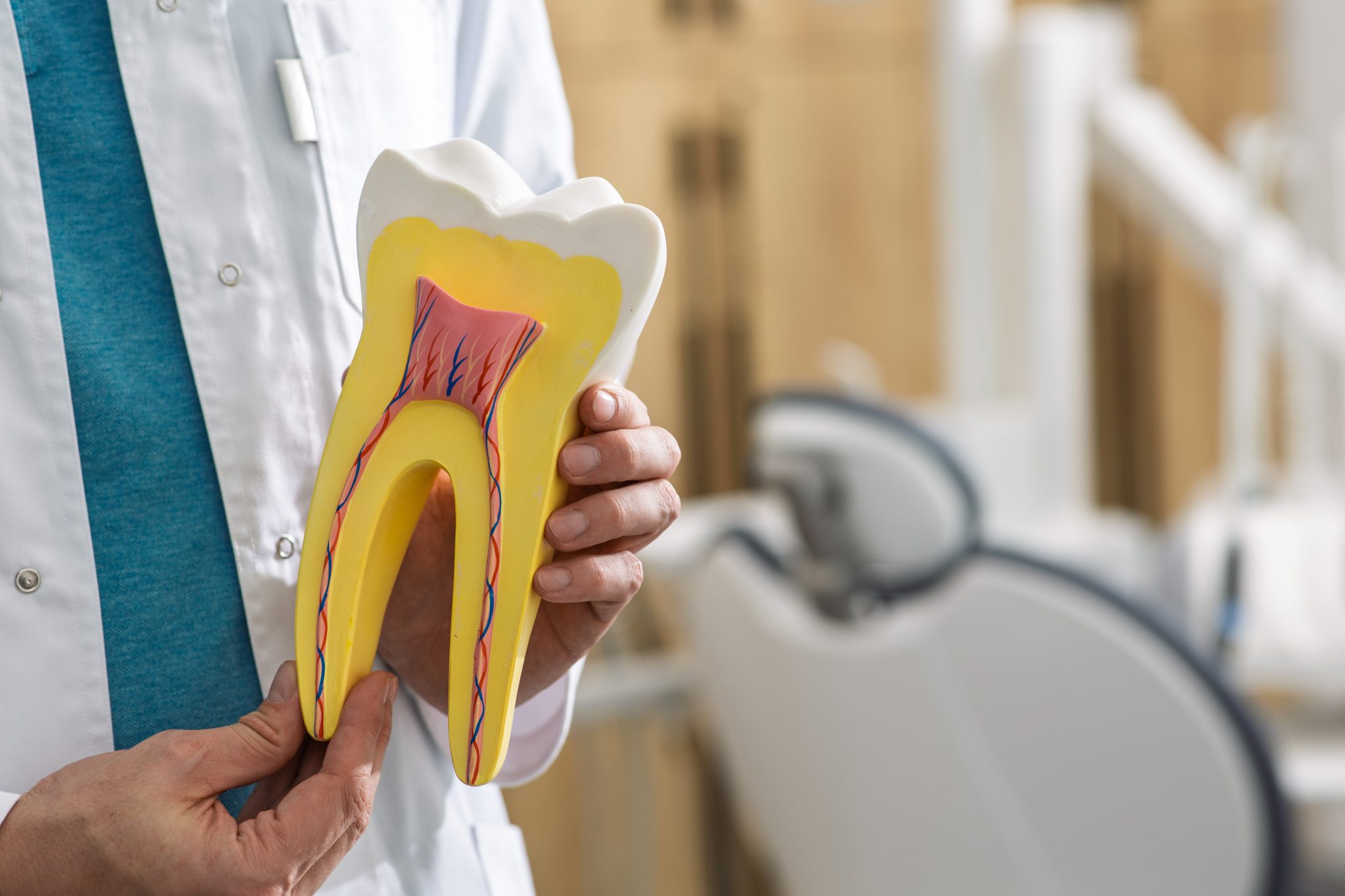
The force does not have to look dramatic to cause damage. A well-placed blow from a teammate’s shoulder can crack a tooth below the gumline. A hard landing can slam the lower jaw into the upper teeth and leave both arches injured. Sometimes the tooth looks fine at first, but weeks later the pulp dies and root canal treatment becomes necessary. That delayed aspect catches many families off guard.
For younger athletes, there is another layer to consider. Children and teenagers often have developing jaws, orthodontic appliances, and mixed dentition. A mouthguard that fits poorly can interfere with speech and breathing enough that the athlete stops wearing it properly. That is one of the reasons custom mouthguards matter so much in school and community sports.
What a custom mouthguard actually does
A good custom mouthguard acts like a shock absorber. It spreads out the force of impact over a broader area instead of allowing all that energy to hit one or two teeth directly. It also creates a protective barrier between the soft tissues of the mouth and the teeth, which helps reduce cuts to the lips, cheeks, and tongue.
That basic concept sounds simple, but the details matter. A custom guard is designed from an impression or digital scan of the athlete’s mouth. That means it seats tightly over the teeth, stays in place during movement, and has a thickness suited to the level of contact expected in the sport. A hockey player, for example, may need a different design from a soccer player or gymnast.
A stock mouthguard from a store often looks bulky because it is made to fit almost anyone. The problem with fitting almost anyone is that it fits no one especially well. Many athletes clamp down to keep those guards in place. That jaw tension can be distracting, and the mouthguard still may shift when a collision occurs. Boil-and-bite versions are better than stock options, but they still rely heavily on home molding. If the material cools too quickly, if the athlete bites unevenly, or if the guard is trimmed poorly, the fit can be compromised.
With a custom appliance, the fit is deliberate. The extension, thickness, and bite relationship https://jaredfewl725.clarionvale.com/posts/what-to-know-about-tooth-fillings-near-me-at-a-simcoe-dental-office are planned. This improves comfort, but more importantly, it improves the odds that the mouthguard will remain seated during impact, which is when it matters most.
The injuries custom mouthguards help reduce
No mouthguard can promise absolute protection. A severe blow can still injure the teeth, the jaw, or surrounding tissues. That said, custom mouthguards can significantly reduce the severity and likelihood of several common injuries.
They are especially useful in lowering the risk of chipped and fractured teeth. When a tooth absorbs a direct hit without protection, the enamel can craze or break, and deeper fractures may extend into dentin or pulp. Once a crack reaches that depth, treatment escalates quickly. A tiny chip may only need smoothing or bonding. A larger fracture may require a crown. A tooth split vertically may not be savable.
Custom mouthguards also help reduce luxation injuries, where a tooth is pushed sideways, inward, or partially out of the socket. These injuries can damage the periodontal ligament and blood supply, leading to long-term complications even if the tooth is repositioned right away.
Soft tissue injuries are another overlooked category. Many athletes think first about teeth, but some of the nastiest sports injuries involve the lips being driven into the edges of the front teeth. Deep lacerations can require sutures and leave significant scarring. A mouthguard creates a smooth buffer that lowers that risk.
There is also evidence and practical observation suggesting that a properly designed mouthguard may help reduce some jaw injuries by cushioning the bite and distributing force. It is not a guarantee against concussion or temporomandibular joint injury, and claims in that area should be kept measured, but the protective effect on the oral structures is real and clinically meaningful.
Why custom beats over-the-counter, especially in real play
The best protective device is the one an athlete will actually wear, consistently and correctly. This is where custom mouthguards usually separate themselves from the alternatives.
An athlete who cannot breathe well through a mouthguard will pull it out between plays. One that causes gagging will end up at the bottom of the bag. One that alters speech too much may be ignored during practice, and injuries often happen in practice. A custom guard solves many of these compliance problems because it is made for the individual mouth, not for a generic shelf profile.
Parents sometimes hesitate because a custom mouthguard costs more upfront than a pharmacy option. That is understandable. But it helps to compare that cost with even a relatively minor dental injury. A small chip repaired with bonding can still mean an emergency visit, radiographs, follow-up care, and future maintenance. A broken tooth may need a crown. A knocked-out permanent tooth can trigger years of monitoring and replacement planning. If the tooth cannot be saved, options may eventually include a bridge or, for an adult patient, one of the many restorations associated with searches like dental implants Ontario. The financial gap between prevention and repair becomes very clear at that point.
That does not mean store-bought guards have no role. For a low-risk situation or temporary use, they are certainly better than nothing. But for athletes in organized sports, regular training, or any activity with repeated contact or fall risk, custom protection is the better standard.
Different sports, different risks
People often associate mouthguards with football and hockey, and for good reason. Those sports involve direct collision, sticks, pucks, and high-speed contact. But some of the dental trauma cases that surprise families come from sports they assumed were safer.
Basketball produces plenty of accidental elbow-to-mouth injuries. Baseball and softball involve bats, balls, and close plays. Soccer may not look like a dental-risk sport until a header collides with another player’s face. Martial arts, skateboarding, mountain biking, and gymnastics all present clear mechanisms for oral injury.
For athletes with braces, the stakes can be even higher. Orthodontic brackets and wires turn an impact into a cutting hazard for the inside of the lips and cheeks. A custom mouthguard can be shaped to accommodate the braces and offer protection without excessive pressure. Since teeth shift during orthodontic treatment, the fit may need reassessment over time.
Adults should not assume mouthguards are only for children and teens. Recreational leagues, weekend cycling groups, ski clubs, and adult contact sports generate their share of dental emergencies. A thirty-five-year-old with existing crowns or veneers may actually have more to lose from an impact than a teenager with untouched natural teeth.
The real cost of a preventable dental injury
When a tooth is injured during sports, treatment decisions are made under pressure. Timing matters. Pain is often sharp. Parents are scared. Coaches want to help but may not know what to do. The injury itself is only part of the story. The aftermath can be long.
A tooth that is cracked may need monitoring for months to determine whether the nerve survives. A displaced tooth may require splinting and repeated follow-up exams. A tooth that is completely knocked out has the best chance if replanted quickly, ideally within minutes, but even then the long-term prognosis can vary. In young patients, ongoing growth complicates replacement planning. In adults, the conversation may eventually include implants, bridges, or removable options.
This is where prevention becomes much more than a slogan. A custom mouthguard can spare an athlete from emergency visits, missed school or work, visible cosmetic changes, dietary restrictions during healing, and future procedures. Anyone who has spent time in a dental office after a sports trauma knows how often a simple protective device could have changed the whole outcome.
In some cases, severe trauma can leave a tooth unsalvageable, making extraction necessary. It is not unusual for distressed patients to search phrases like tooth extraction near me when the injury is sudden and painful. That kind of emergency is exactly what we want to avoid whenever possible.
What happens when a custom mouthguard is made
The process is straightforward, and that simplicity is part of its value. A dentist begins by evaluating the bite, teeth, gums, and any existing restorations or appliances. Impressions or digital scans are then taken so the mouthguard can be fabricated to match the patient precisely.
Material selection matters. Some athletes need a slimmer design to improve speech and comfort in lower-risk sports. Others need added thickness because the level of contact is high. If an athlete wears braces, has missing teeth, or has had previous trauma, those details influence the design.
When the mouthguard is delivered, it should snap or seat securely without the athlete needing to bite down to hold it in place. The dentist checks for pressure points, gum irritation, and bite balance. If the athlete is very young or still growing, periodic reassessment is important because the fit can change as the mouth develops.
A properly fitted custom mouthguard should feel protective, but it should not feel like a bulky obstacle. Most athletes adjust quickly, and many prefer it once they realize they can speak and breathe more naturally than with generic options.
Signs a mouthguard needs to be replaced
Even a high-quality custom appliance does not last forever. Materials wear down, teeth move, and athletes change physically over time. Replacement is especially common in growing children, in patients receiving orthodontic treatment, and in anyone whose guard shows visible wear.
A few signs are worth paying attention to:
- The mouthguard feels loose or falls out easily
- There are tears, cracks, or thinning spots in the material
- The athlete has had recent dental work, braces adjustments, or major bite changes
- The guard causes soreness, rubbing, or gagging when it did not before
- There is a persistent odor or discoloration that does not improve with cleaning
A damaged or poorly fitting mouthguard can create a false sense of security. If it no longer seats correctly, it should be assessed rather than used for another season out of habit.
Caring for a custom mouthguard so it keeps doing its job
Maintenance does not need to be complicated, but it does need to be consistent. Mouthguards live in sports bags, cars, locker rooms, and pockets, all of which can be hard on them. Heat warps them. Poor hygiene shortens their usable life.
Good habits include:
- Rinse it with cool water after each use and clean it regularly with a mild cleanser
- Store it in a ventilated case, not wrapped in a towel or tossed loose into a bag
- Keep it away from hot cars, direct sunlight, and dishwashers
- Bring it to dental checkups so the fit and condition can be reviewed
- Never chew on it, because that changes the shape and weakens protection
These are small steps, but they preserve fit, comfort, and hygiene. A custom appliance only works as intended when its shape remains intact.
What parents, coaches, and adult athletes often miss
One of the biggest misconceptions is that mouthguards are only necessary during games. Many dental injuries happen in practice, often because athletes are less guarded or because drills involve repeated close contact. If the rule is mouthguard for games only, the athlete is still exposed for many hours each week.
Another common mistake is waiting until a child complains. Young athletes do not always recognize a poor fit. They may assume discomfort is normal or simply remove the mouthguard when no one is watching. A quick check by a dentist can reveal whether the appliance is retention-safe and appropriate for the sport.
There is also a tendency to focus on front teeth alone. In reality, the bite relationship, jaw position, and protection of soft tissues all matter. A custom design accounts for more than a simple front shield.
Families in smaller communities sometimes put off custom protection because they assume it is difficult to arrange. In practice, many local offices provide this service routinely. If you already see a dentist in Simcoe Ontario, it is worth asking whether they fabricate sports mouthguards or can recommend the right option for your athlete. Practices such as Simcoe Family Dentistry often help patients weigh the cost against the level of sports risk, age, and dental history, which is exactly the kind of practical conversation families need.
The athlete with previous dental work needs extra protection
Not every mouth starts from the same place. An athlete with untreated crowding faces one set of concerns. An athlete with crowns, bonding, veneers, bridges, or implants faces another. Restorations can be vulnerable to direct trauma, and replacement may be more complicated than repairing a natural tooth.
Adults who have already invested in cosmetic or restorative care are often surprised at how much they stand to protect with a custom mouthguard. The same goes for teens who have had a previously injured front tooth restored after an accident. Once a tooth has been traumatized, preserving it becomes even more important.
Patients considering major treatment sometimes ask whether sports habits should factor into planning. The answer is yes. If someone participates in high-contact or high-fall-risk activities, that context matters. For instance, long-term restorative decisions connected to missing teeth, including choices in the broader landscape of dental implants Ontario, should always include a discussion about sports protection. Prevention is not separate from treatment planning. It is part of it.
When an injury happens anyway
Even with good protection, accidents can still occur. What matters then is quick, calm action. If a tooth is chipped, fractured, loosened, or knocked out, the athlete should be evaluated promptly. Time affects prognosis.
A knocked-out permanent tooth is a true dental emergency. If possible, pick it up by the crown, not the root. If it is dirty, rinse it gently with milk or saline if available. Do not scrub it. In some cases it can be replanted immediately, but if that is not feasible, storing it in milk and getting to a dentist right away gives the best chance. Baby teeth are handled differently and generally are not replanted.
This is another reason athletes should have an established dental home before an emergency occurs. Scrambling online for a provider while managing pain and panic is far from ideal. A relationship with a local practice means faster guidance and more confidence in the next steps.
Protection that makes sense season after season
The strongest argument for custom mouthguards is not marketing. It is common sense backed by what dental teams see every season. Teeth do not heal the way a bruised muscle does. Once enamel is chipped, once a root is fractured, once a tooth is avulsed, the story usually gets more complicated, not less.
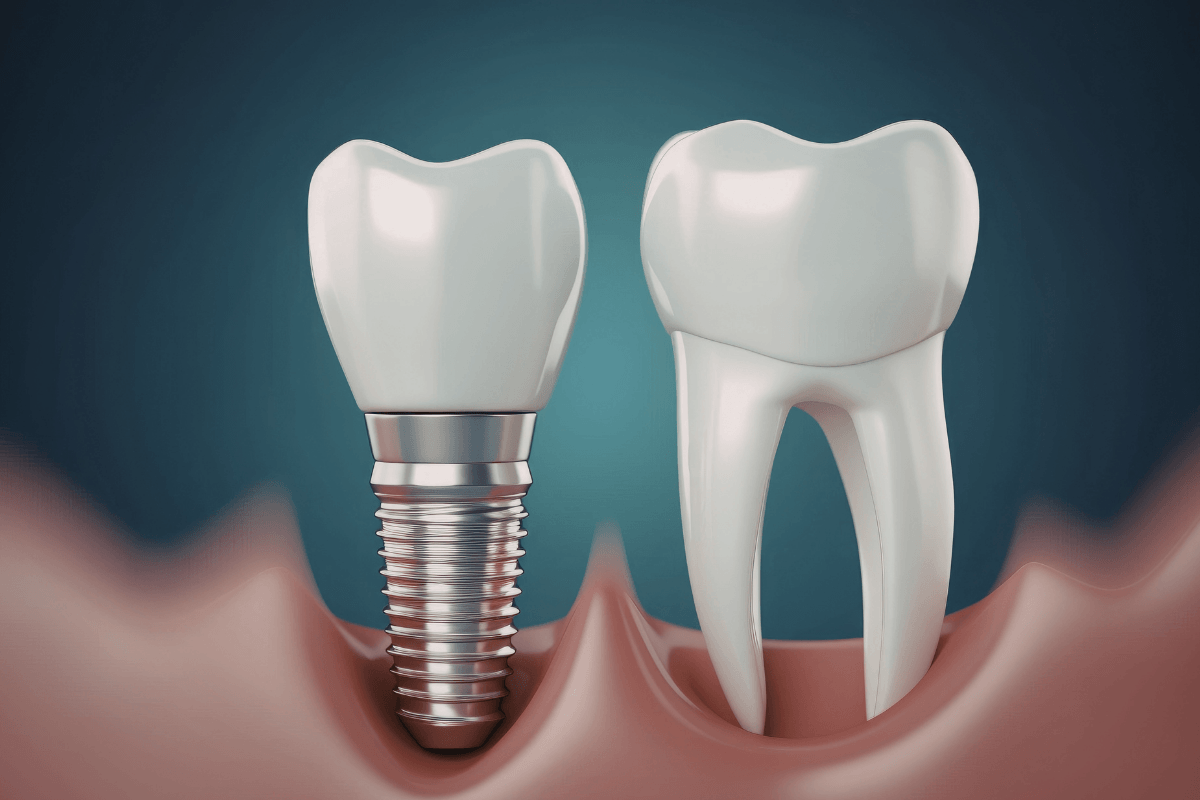
A custom mouthguard is one of the most practical pieces of sports equipment an athlete can own. It is tailored to the mouth, easier to tolerate, and more reliable when impact happens. That makes it more likely to be worn, and more likely to work.
For children, it protects developing smiles and avoids traumatic dental experiences early in life. For teens with braces, it shields both teeth and soft tissues. For adults, it safeguards existing dental work and lowers the risk of expensive treatment later. For everyone, it turns a preventable injury into a much less likely one.

That is the real value. Not just a piece of plastic, but fewer emergency visits, fewer difficult decisions, and a much better chance that a rough play stays just that, a rough play, not the start of years of dental repair.
Malo Family Dentistry — Business Info (NAP)
Name: Malo Family DentistryAddress: 100 Colborne St N, Simcoe, ON N3Y 3V1
Phone: +1-519-426-8155
Website: https://www.malodentistry.com/
Hours:
Monday: 7:30 AM – 12:00 PM; 1:00 PM – 5:00 PM
Tuesday: 7:30 AM – 12:00 PM; 1:00 PM – 5:00 PM
Wednesday: 7:30 AM – 12:00 PM; 1:00 PM – 5:00 PM
Thursday: 7:30 AM – 12:00 PM; 1:00 PM – 5:00 PM
Friday: 7:30 AM – 1:00 PM
Saturday: Closed
Sunday: Closed
Service Area: Simcoe, Ontario and Norfolk County
Open-location code (Plus Code): RMQV+G2 Simcoe, Norfolk, ON
Map/listing URL: https://maps.app.goo.gl/VBZ3Ygx4hjxW2vrf9
Embed iframe:
Socials (canonical https URLs):
Facebook: https://www.facebook.com/malodentistry/
https://www.malodentistry.com/
Malo Family Dentistry provides dental services for patients in Simcoe, Ontario and Norfolk County.
The clinic offers preventive care, cleanings, fillings, extractions, dental repairs, cosmetic dental work, dentures, mouthguards, and related dental services.
Patients can contact Malo Family Dentistry by calling +1-519-426-8155.
Hours listed are Monday to Thursday 7:30 AM–12:00 PM and 1:00 PM–5:00 PM, Friday 7:30 AM–1:00 PM, with Saturday and Sunday closed.
Malo Family Dentistry serves patients from Simcoe and surrounding Norfolk County communities.
For directions and listing details, use the map listing: https://maps.app.goo.gl/VBZ3Ygx4hjxW2vrf9
Popular Questions About Malo Family Dentistry
What dental services does Malo Family Dentistry provide?Malo Family Dentistry provides dental services including preventive care, cleanings, fillings, extractions, dental repairs, cosmetic dental work, dentures, mouthguards, and related care.
Where does Malo Family Dentistry serve patients?
Malo Family Dentistry serves Simcoe, Ontario and surrounding Norfolk County communities.
What are Malo Family Dentistry’s hours?
Monday–Thursday: 7:30 AM–12:00 PM and 1:00 PM–5:00 PM; Friday: 7:30 AM–1:00 PM; Saturday and Sunday closed.
Does Malo Family Dentistry list an email address?
No email address was provided. Contact the clinic by phone or through the website.
How can I contact Malo Family Dentistry?
Phone: +1-519-426-8155
Website: https://www.malodentistry.com/
Map: https://maps.app.goo.gl/VBZ3Ygx4hjxW2vrf9
Facebook: https://www.facebook.com/malodentistry/
Landmarks Near Simcoe, ON and Norfolk County
1) Norfolk County Fairgrounds2) Simcoe Recreation Centre
3) Downtown Simcoe
4) Norfolk Arts Centre
5) Port Dover Beach
6) Turkey Point Provincial Park
7) Long Point Provincial Park